Always Burning: 150 Years of the Carlsberg Research Laboratory
It changed the world of beer once, then gave the secret away. Now Carlsberg’s lab is brewing with grape skins, sorghum and kernza. Can it do it again?


This piece is shortlisted for Best Commissioned Beer Writing at the British Guild of Beer Writers Awards 2026, so it seemed a good moment to set it free from behind the paywall. It first appeared in Brewer and Distiller International in January/February 2026, and my thanks go to Steve and the team there for commissioning it and for letting me share it here.
We explore how this scientific powerhouse continues to prioritise global progress over proprietary profit.
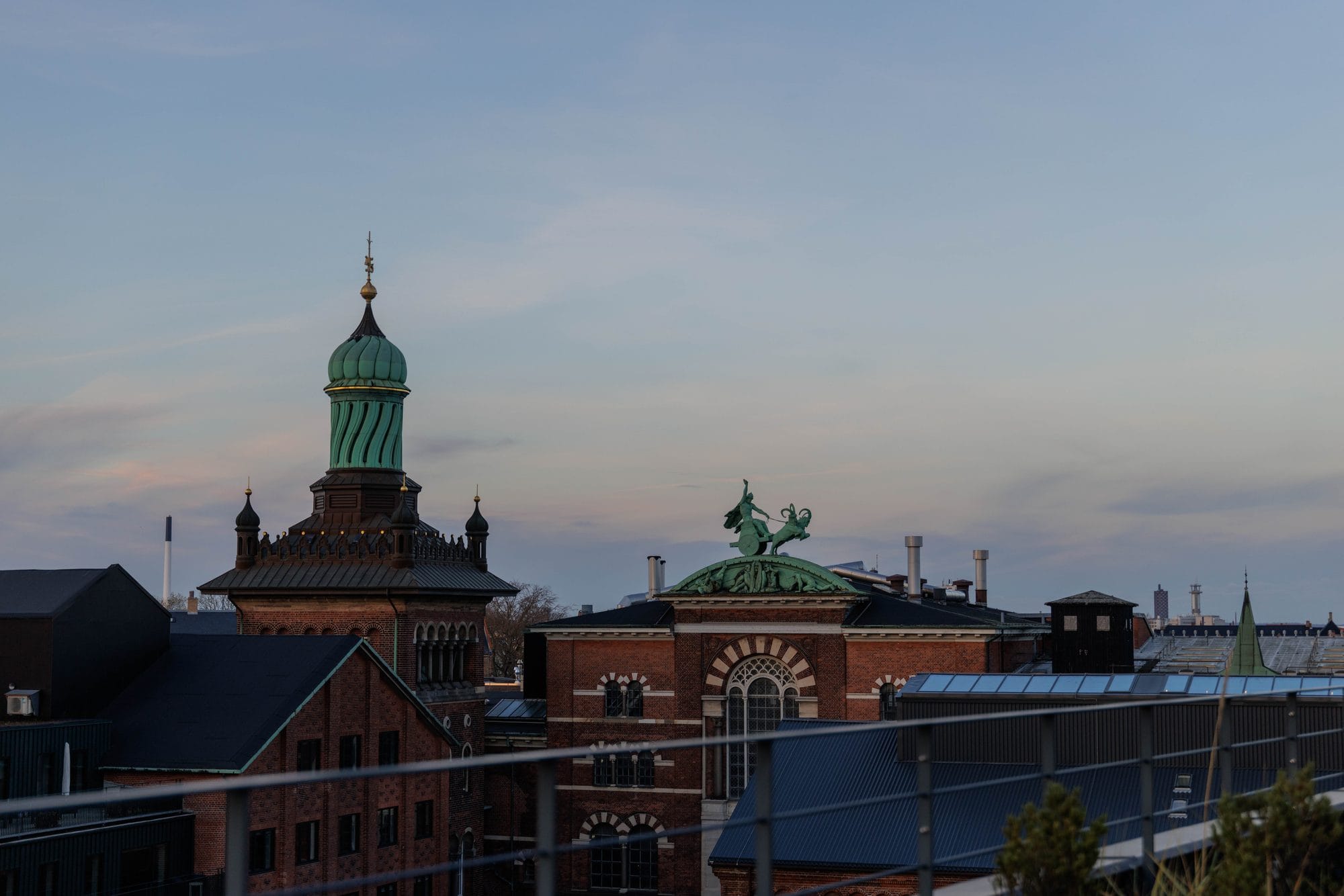
As we step inside the Carlsberg Research Laboratory, which celebrated its 150th anniversary in 2025, we remember its unique foundation structure – and that this was the facility that gave the brewing world pure yeast and the pH scale – as well as Zoran Gojkovic’s boundary-pushing experiments with climate-resilient grains.
But as you enter, it can mess with your head. From outside it looks every bit the august Victorian institution you might expect. A bewhiskered and paternalistic statue of J. C. Jacobsen – founder of Carlsberg brewery, of the laboratory and of the Carlsberg Foundation – guards the main entrance. Behind him, the building itself resembles a medium-sized municipal library or an old swimming pool.
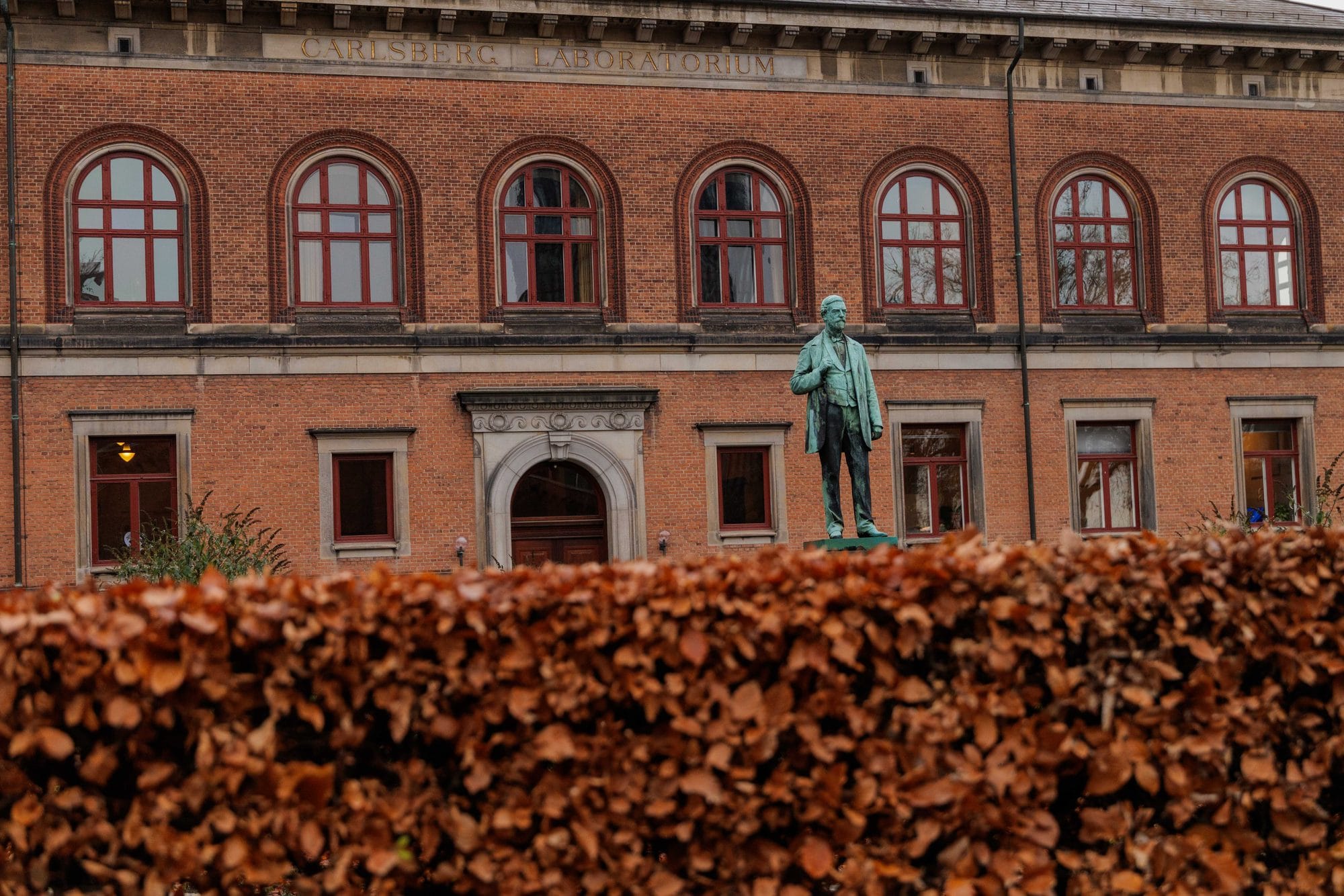
Inside, it’s all echoing marble halls, the familiar smell of wort and the clink of glass beakers. But you quickly pass into a more modern space that seems to extend impossibly far beyond this historical frontage. Here are swish expanses of wooden floors and glass walls that look out over neat ornamental gardens, zen-like in their aspect. It feels at times more like a gallery. There are paintings on the walls – proper ones, and lots of them – and sculptures dotted around. What kind of lab is this?
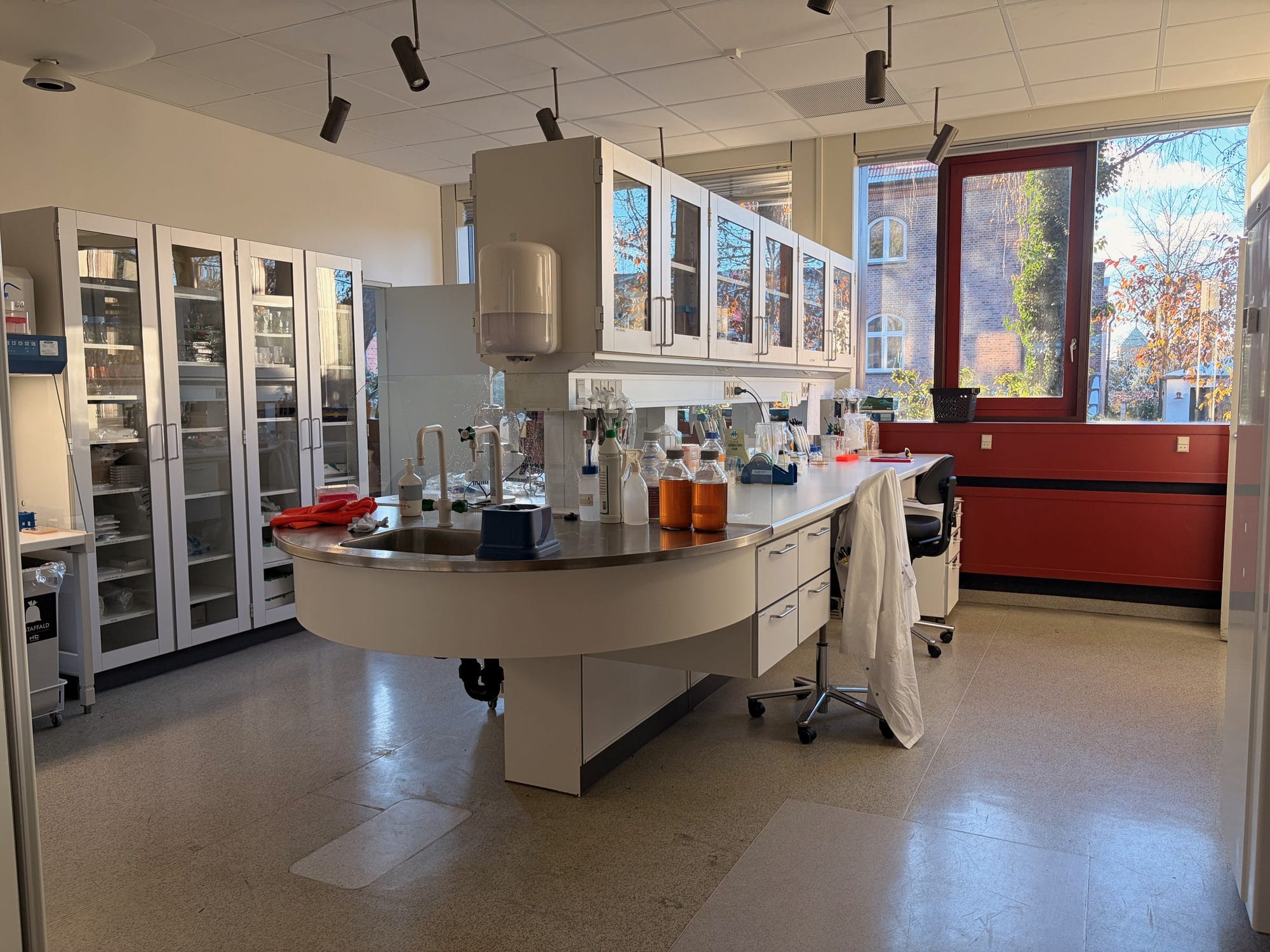
Pushing deeper into its core, the lab at last becomes more workmanlike. Maybe we are in the right place after all. Long corridors are lined with white cupboards straight from sci-fi central casting. A porthole window reveals rows of barley growing on thin metal shelves. A white workbench topped with stainless steel dominates another room. Glass beakers hold amber samples of wort. A lab coat is draped over a chair.
Beyond another nondescript door lies the beating heart of the lab: a Kasper Schulz brew kit so exact, so reliable, you’d sell your own mother just to mash in on it. It cost more than half a million euros to install and performs like a racing car. It mimics every aspect of a larger commercial brewery only smaller, more compact and much more precise.
This is research-grade precision: variance of just 1% compared to 5% or 10% in big breweries. And it has a mash filter, a relatively new piece of kit that gives better yields than a lauter tun and makes tricky-sticky brews like 100% wheat more manageable.
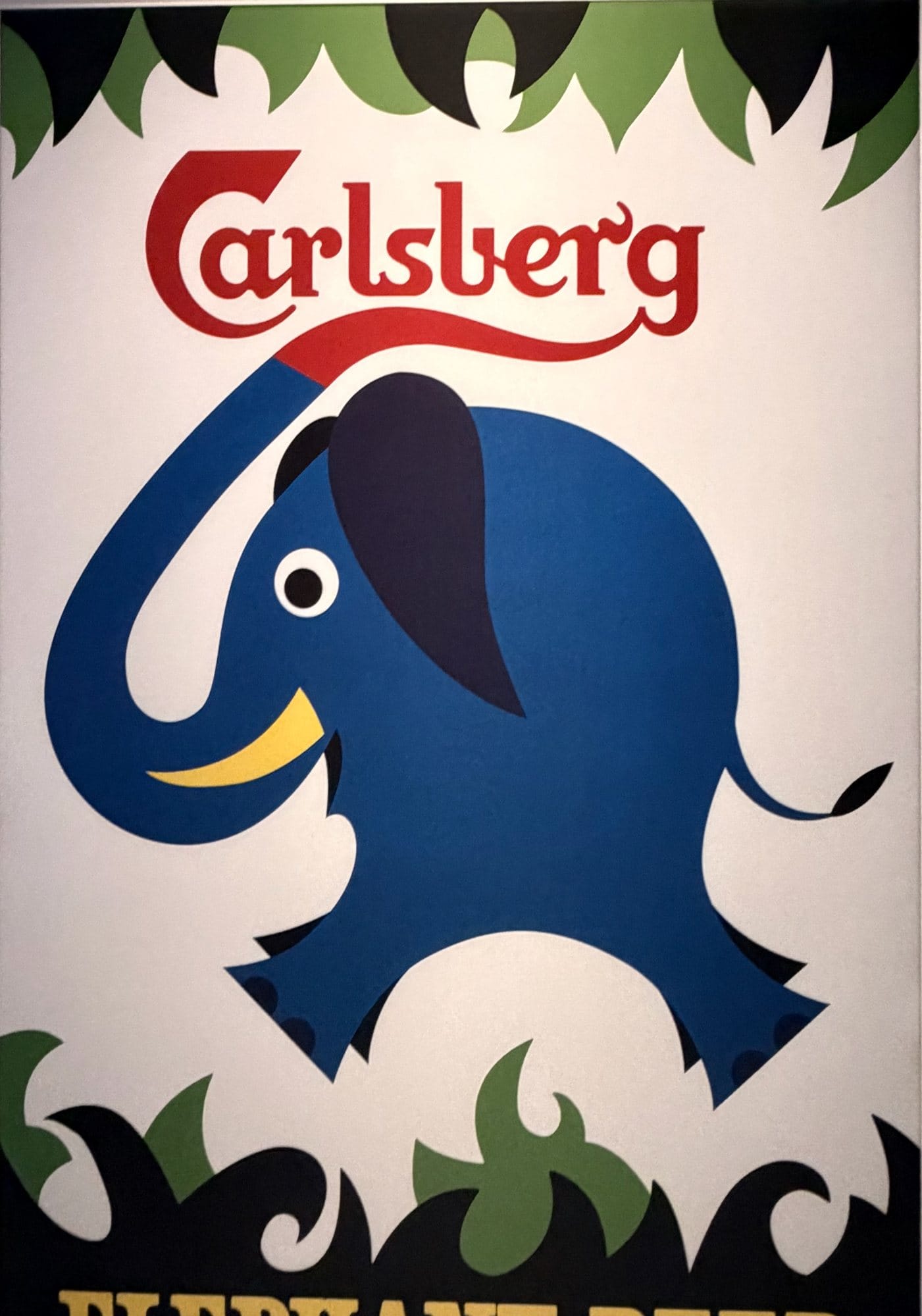
It can be hard to square Carlsberg as we know it in the UK – let’s be honest, a rather unexciting 3.4% large-volume pilsner – with the beer that comes off this kit. Or, indeed, with Carlsberg pilsner as it would have been back in the late 1800s when, thanks to the work of this very laboratory, it was a marvel of scientific brewing that changed the world of beer completely.
It has become a victim of its own success; what was once remarkable has become commonplace. Yet the beers brewed on this kit have the potential to upend the brewing world once again.
So is this the most underrated brewery in the world? Probably.
Thanks to the idiot son
Carlsberg Pilsner’s clean and reliable fermentation became commonplace in brewing because the Carlsberg Research Laboratory shares everything discovered there freely with the world. Over and over again, Carlsberg has given away knowledge every bit as fundamental as pure yeast. The pH scale, for example, or the Kjeldahl method of quantifying protein, which underpins modern nutritional information labelling.
One result of this is that Carlsberg has forgone an enormous amount of money. The discovery of subtilisin, a dirt-eating enzyme that powers modern detergents, could have made the company… well actually it’s hard to calculate, but we’re talking a serious fortune.
To understand the lab you must first understand the Carlsberg Foundation. This controls 30% of the capital that makes up Carlsberg A/S, the overarching company that sits above the brewery and other corporate bits and bobs including the lab. It also has 75% of the votes on the company board.
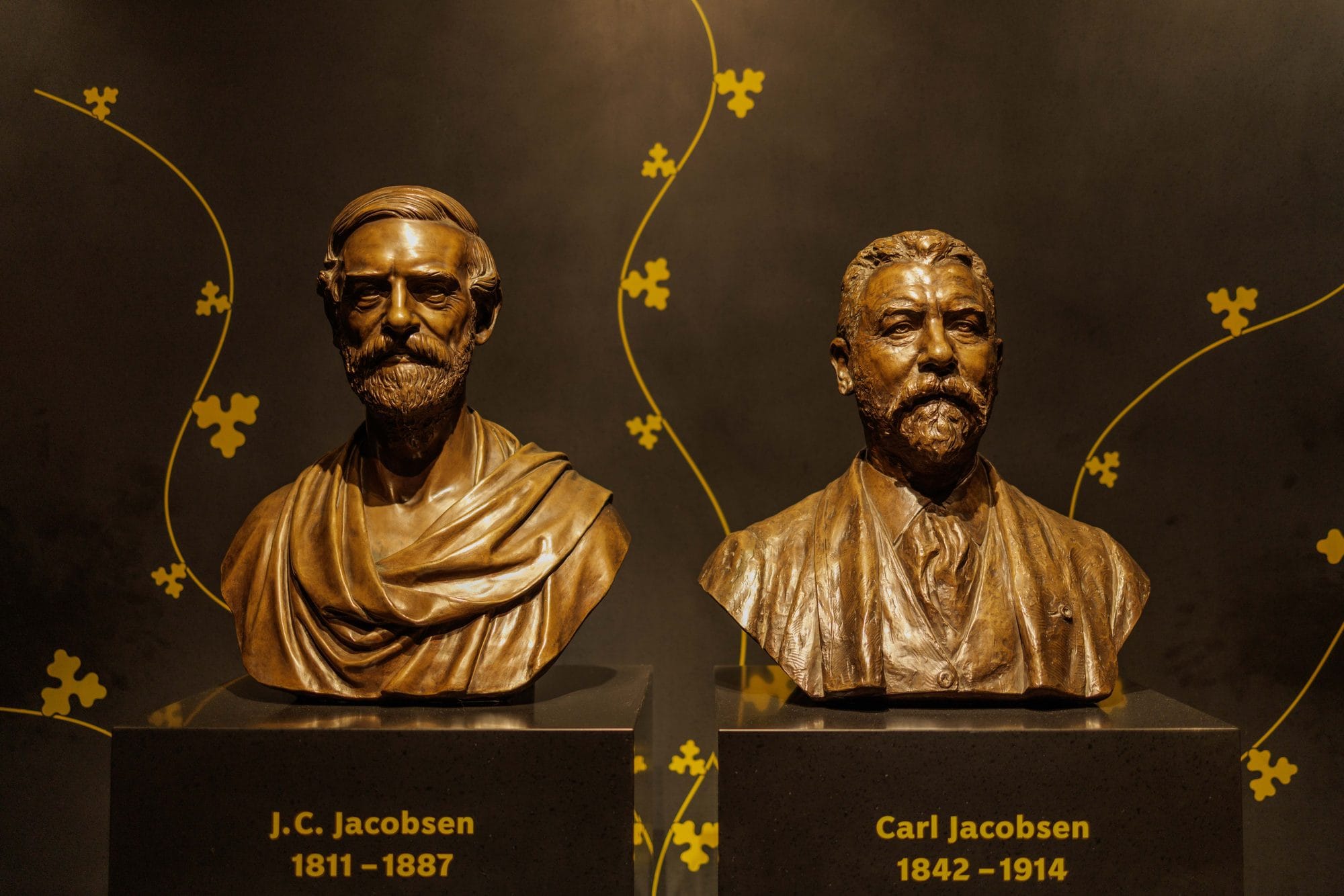
This arrangement is striking, certainly, but not unheard of. Other large companies such as Maersk and Bosch employ it too. In Carlsberg’s case, J. C. Jacobsen adopted it to hedge against Idiot Son Syndrome, a risk that haunts many family business owners in the small hours of the night.
It boils down to this: what one generation builds, the next often squanders. Genetics may get someone a job at the family firm, even the top job, but it doesn’t guarantee their talents or interests will be aligned with those of the company.
J. C. was driven by a belief in the transformative power of science and a desire – almost a mania – to be the best. His motto, semper ardens, means ‘always burning’, and is still used within Carlsberg today. It was this instinct that drove him to set up the lab, and to use it to turn his beer into a world-beating miracle of clean brewing in a time when most of his competitors were prone to the odd dodgy batch at least, and long-running infections at worst.
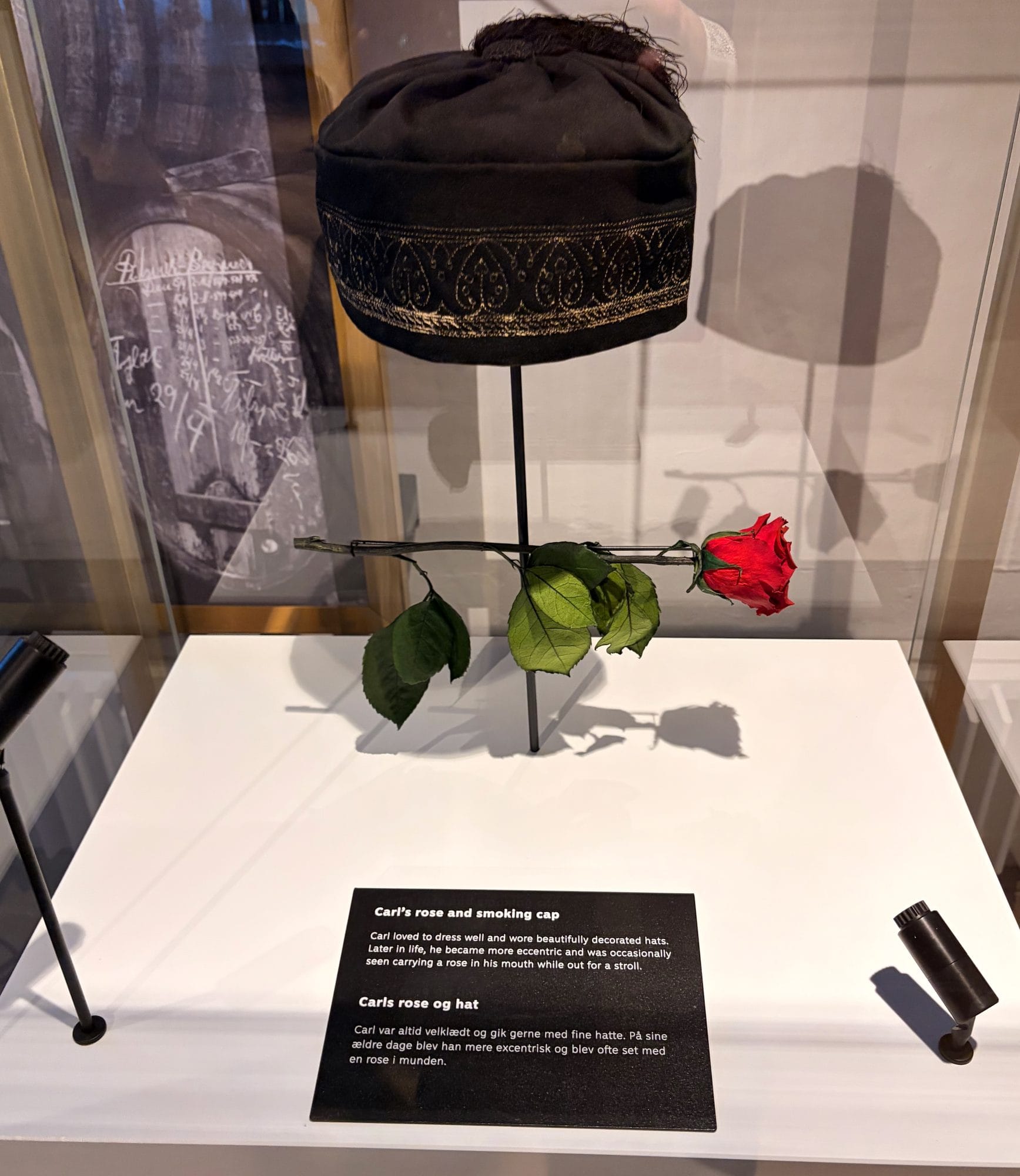
Carl was more interested in art, in popularity, in strolling around Copenhagen with a rose clenched in his teeth. He inherited some of his father’s philanthropical nature (or at least was open to his wife Ottilia pushing him in that direction) and built the Glyptotek, a fantastic gallery in which to share his enormous art collection with the public for their betterment. But in so doing he also almost bankrupted the company. Twice.
J. C. created the foundation in 1876, one year after he established the research lab, and from the outset made supporting science one of its key objectives – the other being to invest in and control the Carlsberg group itself. This structure means Carlsberg operates for the long term rather than chasing quarterly profits.
Paradoxically, this probably makes the brewery wealthier than it would be under conventional ownership. Dividends from the brewing side flow back to the foundation and from there go to fund the work of the research lab, as well as further research and charitable work in the wider community via a series of grants.
An eye on the future
This long-term outlook means the lab can pursue the sort of blue-sky research that other companies ignore. Research Director Birgitte Skadhauge, the lab’s head, says its main focus today is climate tolerance. “Barley yields are falling. Fresh water is harder to find. Good quality hops are under threat from heat waves,” says Skadhauge. So the lab is developing climate-tolerant crops with higher yields and looking for better, more climate-resilient ways to brew beer.
In November 2025, Carlsberg announced the lab had discovered a solution to pre-harvest sprouting. This has been a significant problem around the world: grains that germinate before harvest often fail quality controls for use in brewing or the food industry. They are also more susceptible to spoilage, mould, and fungal contamination, so often they can’t even be used as animal feed. Instead the grain, and the money it represents, is simply lost.
Researchers at the lab uncovered how a single gene, MKK3, controls seed dormancy and sprouting risk in barley, knowledge that can be used to breed new strains that are more resilient to the unpredictable weather driven by climate change.
This discovery, which is important in its own right, builds on FIND-IT, a non-GMO breeding method announced in 2022 by the lab that, says Skadhauge, “has huge potential to improve global food security”. This technology can rapidly screen thousands of individual crops to find seeds with traits worth breeding. The science behind both of these was published in peer-reviewed academic journals and shared with the world.

The lab’s work also looks beyond barley to alternate grains that are naturally climate-resilient, such as sorghum, fonio and kernza. This last grain in particular, a wild perennial wheatgrass, seems to have everyone at the lab excited. Kernza doesn’t have the diastatic power of barley, but it does contain both alpha- and beta-amylase and can be malted and brewed with.
It’s not yet domesticated enough to be commercially viable on a large scale – its kernels are still too small – but it’s the other end of the plant that’s really got them talking. Its incredibly long and fibrous roots build up nutrients and sequester carbon not just in the topsoil but deep in the humus layers. Not only is the plant itself drought resistant but it improves soil health and quality. Fields where kernza grows are more resistant to flooding and less susceptible to erosion.
The grain has so captured the researchers’ imagination there is even a picture of it on a wall in one of the corridors. It shows a whole kernza plant laid out from grain to root next to a barley plant for comparison. It doesn’t come off well, the barley. It looks puny and reedy next to the majestic, robust kernza. Its roots seem sparse while kernza’s are dense and stretch three times as far – it’s like the before and after for a shampoo ad. They’ve had to hang this picture horizontally because, at roughly two metres long, it wouldn’t fit on the wall vertically.
Enter Zoran
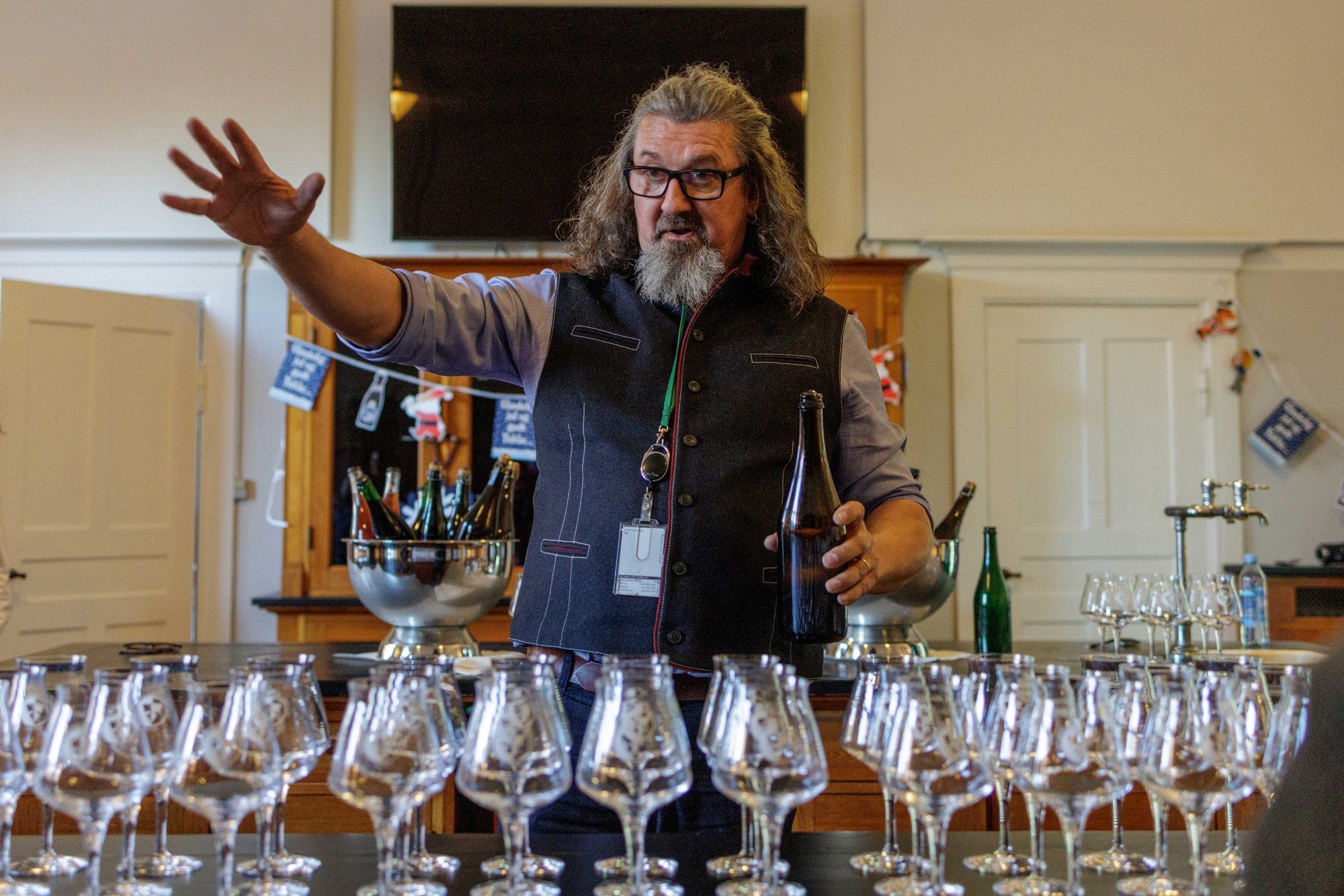
Master brewer Zoran Gojkovic has quite the job title at Carlsberg. He is Director of Brewing Science, Yeast and Fermentation. In practice it means he’s the one who gets to play with that fancy Kasper Schulz brew kit.
Gojkovic puts about two brews through this kit each week, or roughly 120 every year. He has set it up so that he can split one brew into four different recipes, varying the yeast or the hops – whatever the science demands. He’s using it to push at the boundaries of what it even means to brew, of what even counts as beer.
“If you have a starch and you break it into small sugars, technically you could call it beer,” says Gojkovic. “Banana, it’s a starch. If I break that and make a beer, it will be banana beer. We did try, it did not taste good.”
Lately, Gojkovic has been brewing using alternative grains – the recipes that work well enough then get released to the market either through the Jacobsen brand that Carlsberg owns, or via its Alchemy line.
About a year ago, Gojkovic made a fonio beer in collaboration with Garrett Oliver at the Brooklyn Brewery, fermented using the famous Carlsberg lager yeast. “Fonio is so small you cannot malt it,” says Gojkovic. “In our current malting stuff, it just falls through this small mesh.” Gojkovic found a way around this – exogenous enzymes were involved – and ended up with a beer that drank almost like a sparkling wine.
Gojkovic has brewed a beer from 100% wheat fermented with a wine yeast Saccharomyces bayanus from the Champagne region. Even at just 6% ABV it ages well because beer from wheat has just one-third as many aldehydes as beer from barley. It is these compounds that age into trans-2-nonenal, which gives the telltale papery aromas we associate with oxidation.
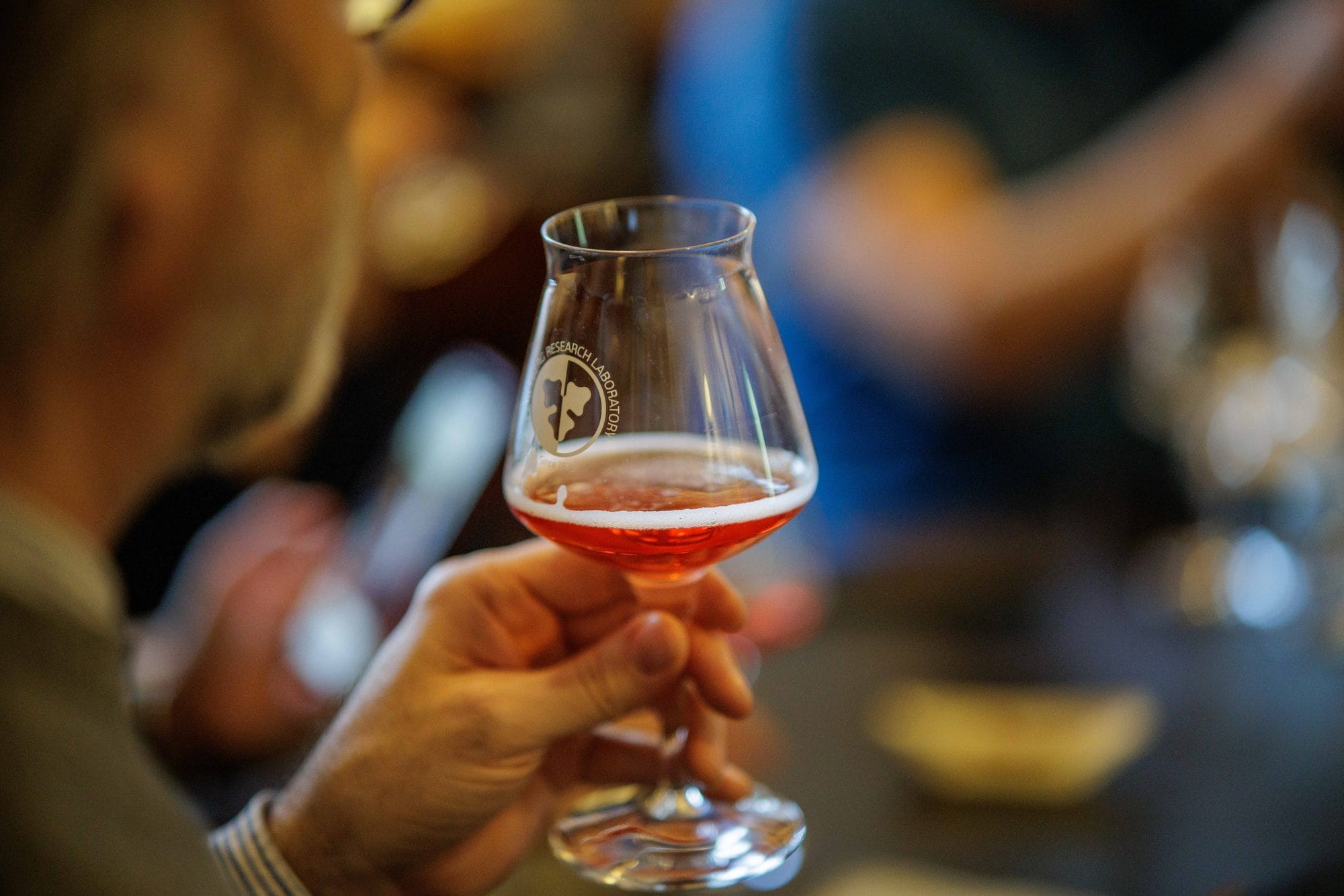
He has made unhopped beer from grape skins – Solaris, Rondo, New Zealand Chardonnay – that have been boiled, held at temperature, and then baked. When fermented with a wine yeast this gives a beer that bursts with passion fruit, raspberry and strawberry. He says it goes perfectly with Chinese food. “I like that very much because creativity is off the roof with the beer. You have so much freedom,” Gojkovic says.
He brewed a beer entirely from unmalted sorghum that again had no hops. Brewing with sorghum is commonplace in Africa. Gojkovic says his version was much cleaner and more elegant than these traditional beers. It came out at 6% ABV and tastes clean and mineral, almost Chablis-like in its restraint. “Someone insulted me and said hard seltzer,” Gojkovic jokes. But this delicate flavour was what he wanted. The beer is so neutral that high-end restaurants have shown interest. Fine dining chefs are finding red wine and even sake too dominating to match against their food. Gojkovic gave a sample of his sorghum beer to the chefs at Noma. “Ooh, it triggered them,” he says.
We can only wonder what Gojkovic will produce from kernza when the time comes. But one thing seems sure: it won’t be boring.
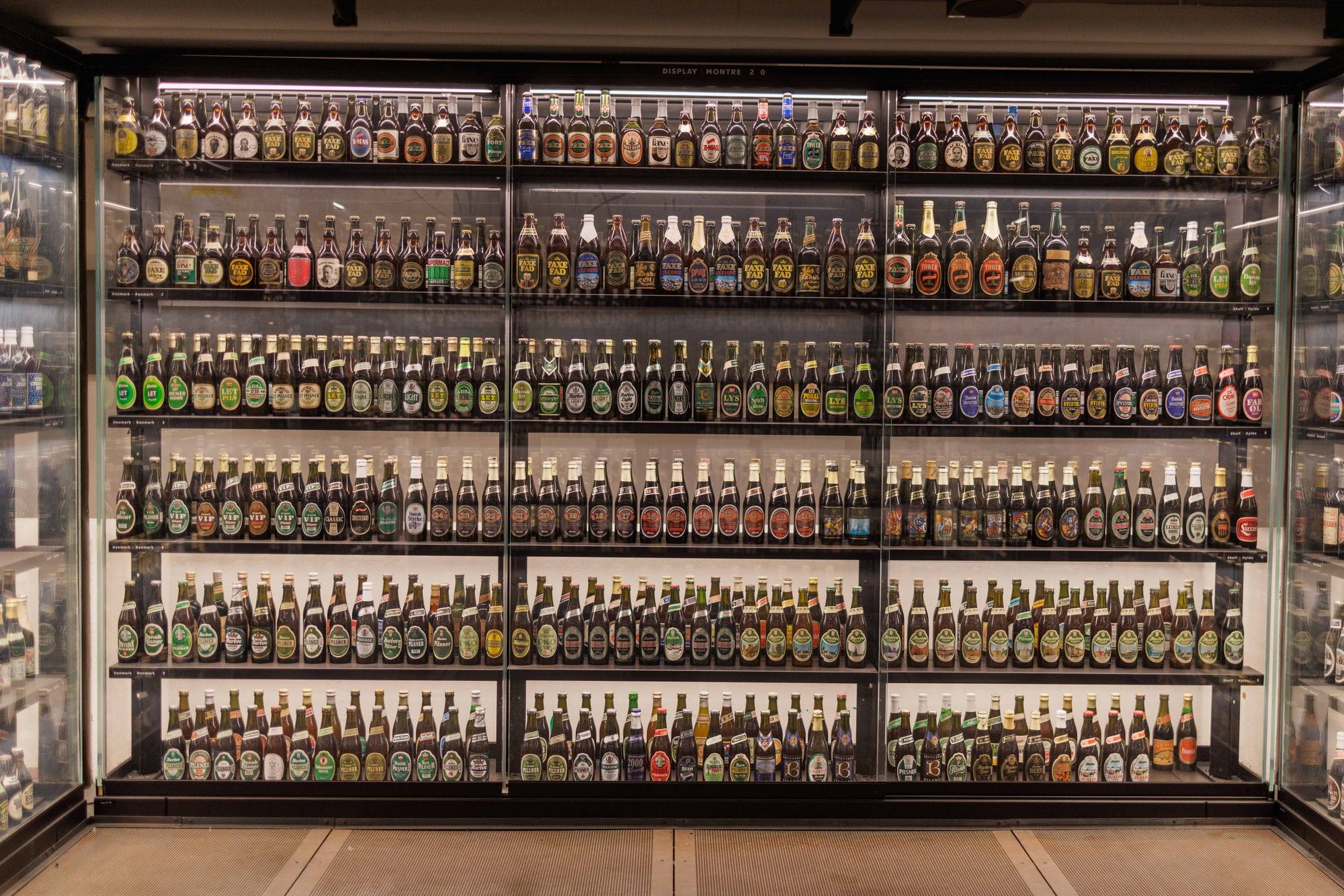
The other thing we know is that the Carlsberg Research Laboratory continues to push boundaries. And when it finds something truly world-changing – its track record suggests using “if” here would be too unkind – it will be shared with everyone and its impact will spread around the globe.
That might be something to do with climate change. Or if Gojkovic has his way, it might be something to do with how we see beer. “Beer became too good, too efficient, too affordable and lost the magic,” he says. “My mission in life is to put respect back.”
Carlsberg laboratory: early successes
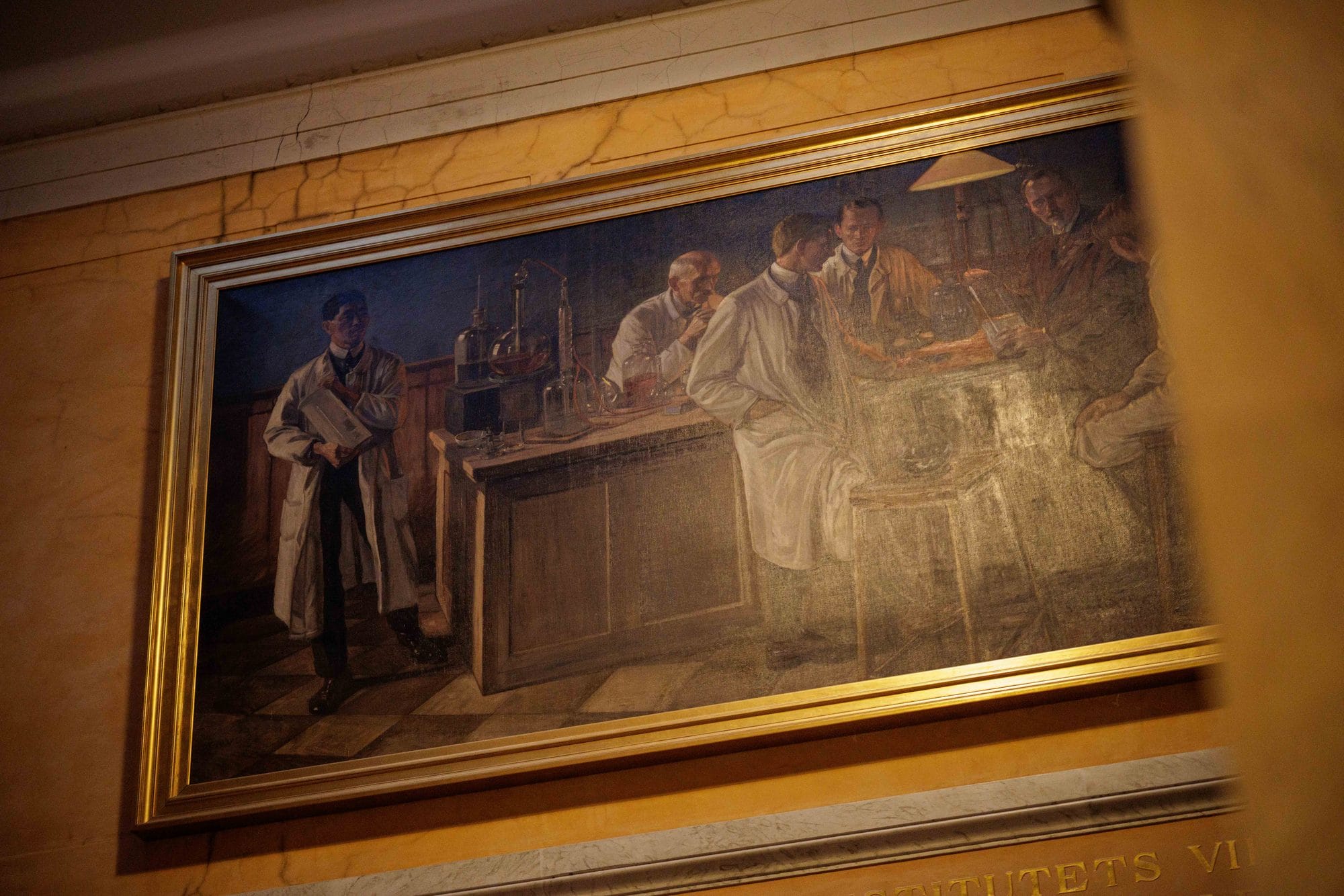
1883 Purifying yeast
The big one that put the lab on the map. This discovery built on Pasteur’s work that proved yeast was the driver of fermentation rather than its byproduct. Despite this growing understanding, beer was still often hit and miss; even Carlsberg had fallen foul of the dreaded ‘beer sickness’.
Emil Christian Hansen surmised there might be numerous yeast strains and set about proving it by counting cells in beer samples under a microscope, progressively diluting these until each contained, on average, 0.5 cells (which in the real world means a cell count of either zero or one – but never, crucially, two).
Hansen traced the source of Carlsberg’s infected brews to an orchard just outside the brewery, finding the Carlsberg yeast now contained two different yeast strains. One was the original lager yeast. The other yeast looked ellipsoid in the microscope and when it was added to the wort the beer went off.
This was the dawn of modern, repeatable, clean fermentations and was transformative for breweries across the world, with whom Carlsberg shared this new understanding – and even the pure yeast itself. The method also transformed winemaking, baking, dairies, and pharmaceuticals.
1889 The Carlsberg effect
When the Laboratory Club (now the Chartered Institute of Brewers and Distillers) held its first meeting in London in March 1886, Carlsberg’s influence was already being felt across British brewing. Emil Christian Hansen’s 1883 breakthrough solving beer sickness had spread rapidly – by 1888, 173 breweries in 23 countries were using his pure yeast methods.
The Laboratory Club formed as British brewing chemists responded to this scientific revolution. Its mission mirrored Carlsberg’s: applying rigorous science to improve brewing quality and consistency.
In May 1889, Hansen himself travelled to London where the Club honoured him with a banquet, published his paper in their Transactions, and made him an honorary member.
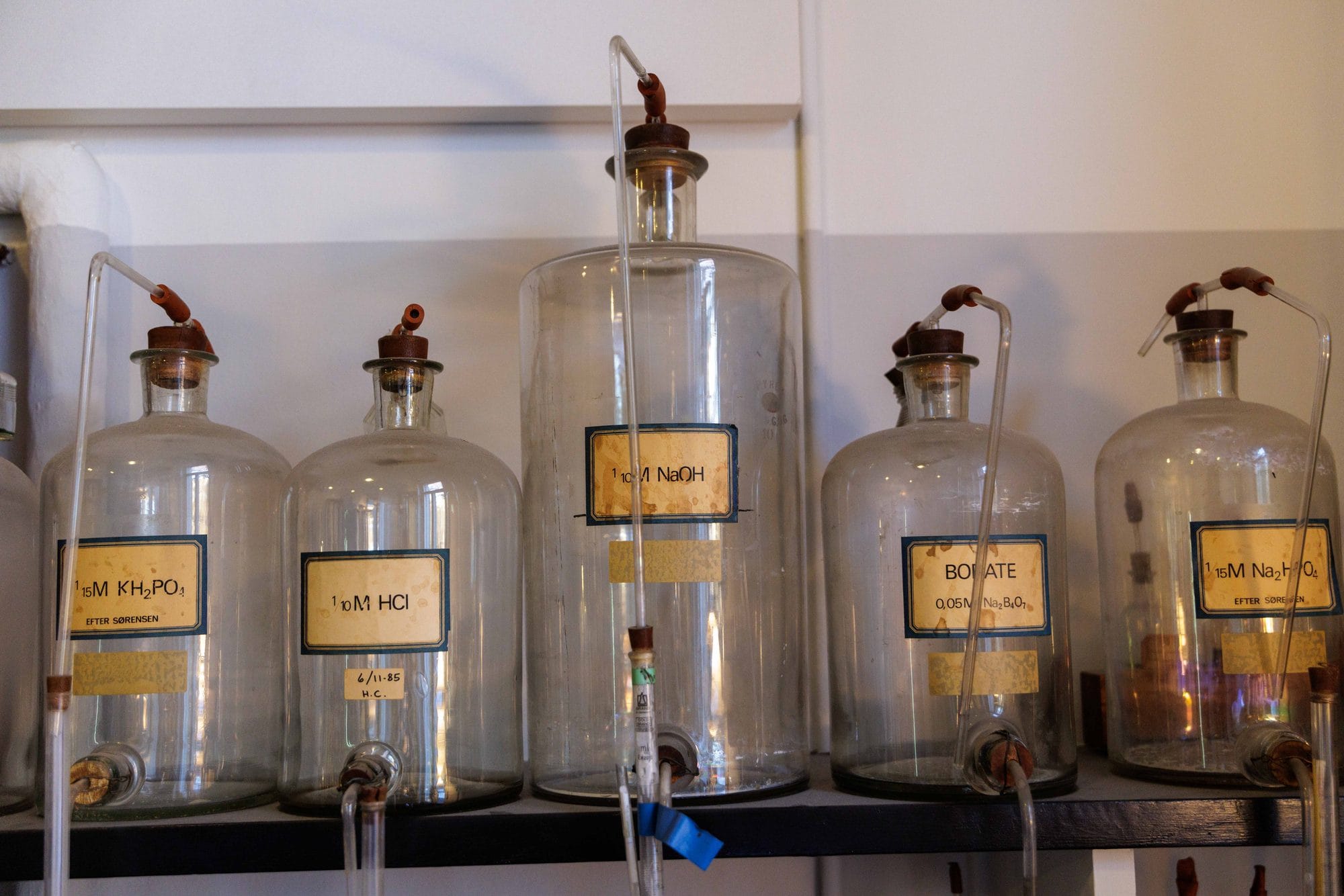
1909 The pH scale
Invented by Søren Peter Lauritz Sørensen, who was Director of the laboratory’s Department of Chemistry at the time and also the possessor of a fine moustache and Van Dyke beard.
Sørensen was a biochemist and especially interested in enzymes. These are essential to brewing (e.g. amylase for conversion), and very sensitive to changes in acidity or alkalinity.
He discovered that by accurately measuring hydrogen ion concentration, or more specifically its negative logarithm, he could express how acidic or alkaline a liquid was on a scale from 0 to 14 of potentia hydrogenii – power of hydrogen.
Sørensen measured the pH of samples taken at different stages of the brewing process and so demonstrated the significance of pH not just for brewing but for all biochemical reactions.
His discovery led to better controlled brews which in turn led to better beer. Carlsberg shared his invention with the world which has made the pH scale a global standard measure across many areas and industries.
Carlsberg laboratory: more recent research
1930s – 1950s Yeast genetics
Øjvind Winge was appointed Director of the Physiology Department at Carlsberg Laboratory in 1933. As the charter required research to benefit brewing, he focused on three organisms: yeast, hops, and barley.
Before Winge, nobody knew yeast had a sexual cycle. Through meticulous microscopic work and cell manipulation, he discovered yeast cells could exist as haploid or diploid forms and they could mate – there was, as Zoran Gojkovic puts it, “A boy and a girl”.*
This breakthrough enabled the breeding of hybrid yeast strains with specific fermentation characteristics, founding the entire field of yeast genetics. Winge’s breeding expertise extended far beyond the brewery. He worked on hop cultivation, malting barley development and made groundbreaking contributions to the genetics of sex determination.
A few years ago, a French scientist contacted the lab asking to visit. He hated beer, drank only wine but insisted on coming anyway. He was the director of the World Guppy Association and wanted to see where Winge had worked.
His research on colour inheritance and sex chromosomes in guppies was so influential that he essentially created the domesticated aquarium guppy strains we know today. The man who revolutionised brewing had also, almost as a side project, revolutionised the tropical fish hobby.
1960s Dirt-eating enzymes
Professor Martin Ottesen made one of those discoveries that only happen to the perpetually curious. He forgot to clean his laboratory bench before going on holiday. When he returned, one plate was mysteriously spotless.
Ottesen had been investigating how water binds to proteins using egg albumin. The clean plate revealed a heat-stable proteolytic enzyme – a protein that literally eats dirt – which he named subtilisin.
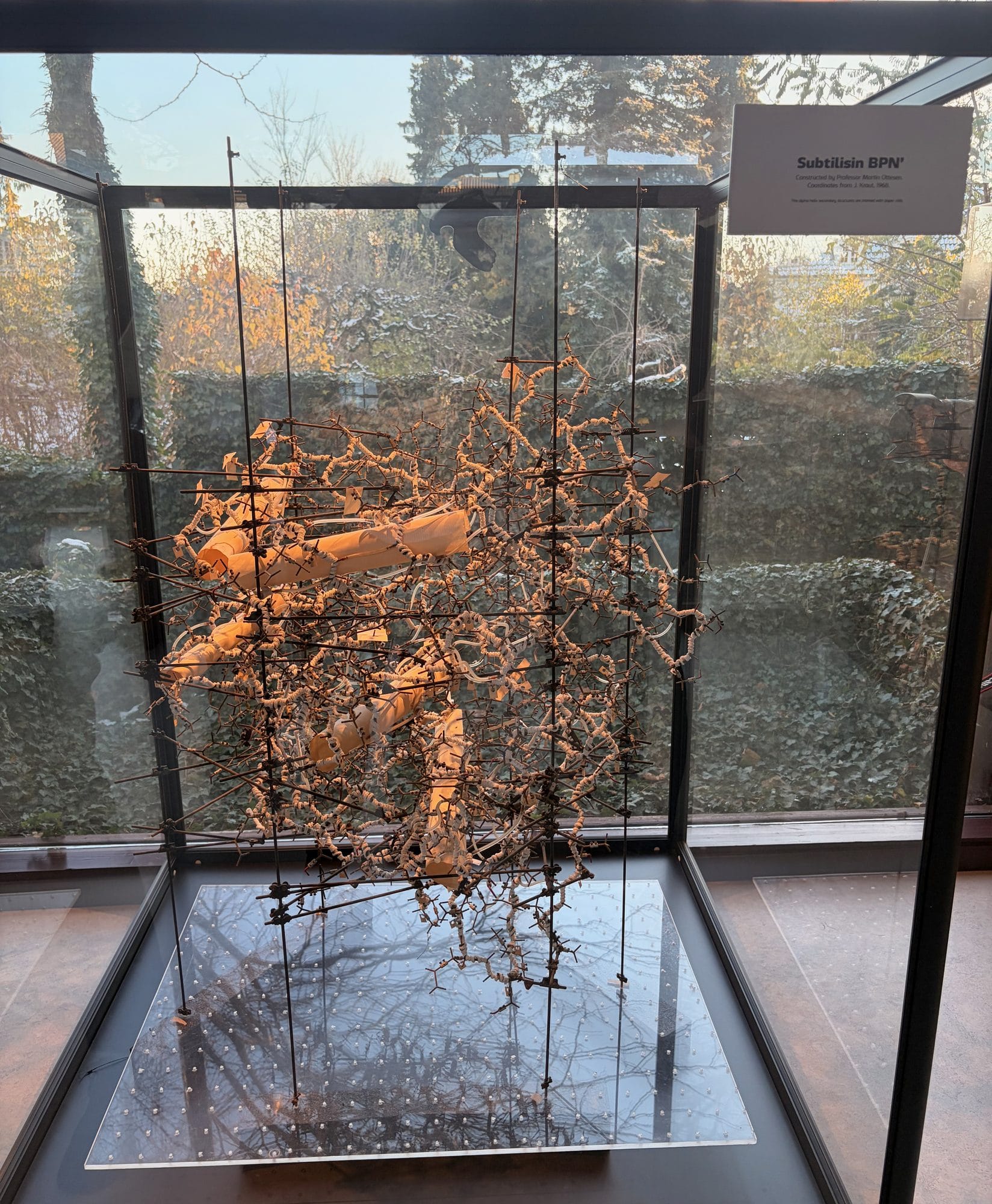
Today this enzyme is in virtually every washing powder worldwide. Before Ottesen’s discovery, you needed to wash clothes at 60–100°C to get them clean. Now we wash at 30°C, saving enormous amounts of energy across billions of loads of laundry.
True to Carlsberg’s philosophy, Ottesen never patented his discovery. He simply told everyone. The enzyme is now the foundation of a multi-billion-pound industry. As Zoran Gojkovic wryly notes, the CRL, already pretty swish as labs go, would have golden floors and ceilings if it had kept just 1% of the royalties from this discovery.
1999 Click chemistry and a Nobel prize
Morten Meldal led the synthesis group at Carlsberg Laboratory from 1988 to 2011. He and PhD student Christian Tornøe were searching for new pharmaceutical compounds when they stumbled upon something unexpected.
They were trying to develop a specific chemical reaction when, unexpectedly, two molecules snapped together in a remarkably efficient way. What seemed like a failed experiment turned out to be a breakthrough.
They’d discovered ‘click chemistry’, a method for linking molecules together as simply as clicking LEGO bricks. The reaction was so robust it could even work inside living cells, making it invaluable for drug development and materials science.
True to form, Carlsberg shared the discovery freely with the world. It opened up entirely new possibilities in pharmaceutical research. Scientists could now build complex molecules by clicking together simpler components, dramatically accelerating drug discovery and development.
In 2022, Meldal shared the Nobel Prize in Chemistry with Barry Sharpless, who’d independently made the same discovery – and Carolyn Bertozzi who extended click chemistry into biological systems.
*Correction: the print version described Zoran Gojkovic here as lab director. He is Carlsberg’s Director of Brewing Science, Yeast and Fermentation; the laboratory is headed by Research Director Birgitte Skadhauge.