Go on, tell me how you really feel
What a spirits judge knows about scoring that tier lists don’t. Plus a rating system for everything, swearing included.

Trust me, bruh, you’re about to read some real S-tier writing.
Ugh. What does S-tier mean? How is an S higher than an A? And why should I care?
You’ve seen the videos. Some geezer, mouth hanging open in the thumbnail, drones on as he drags multitools or crisp flavours or TV shows from the 1970s and ’80s into rows marked S, A, B, C, D, sometimes even down through E and F to G. Yet never do our pop-culture megaminds, our consumer-goods sleuths, think to explain what separates one tier from another. I mean, my god.
Scoring things. Ranking them. Rating them. Happens all the time. This isn’t a post about how those reviews and ratings on that air fryer you’re about to order are probably maybe absolutely fake. It’s more that it wouldn’t matter if they were real anyway.
If there’s no way to know what separates a three-star rating from a four-star one, both are basically meaningless.
Do you know what good is? Do you think Dazzer1994 does, or _*_Furby_Fudger_*_, BargainHunterMum_UK or any of the rest? Do you think any two of them agree on what good is?
When I started writing my own tasting notes, trying to understand my palate, I ended them with a score. Because… of course you do.
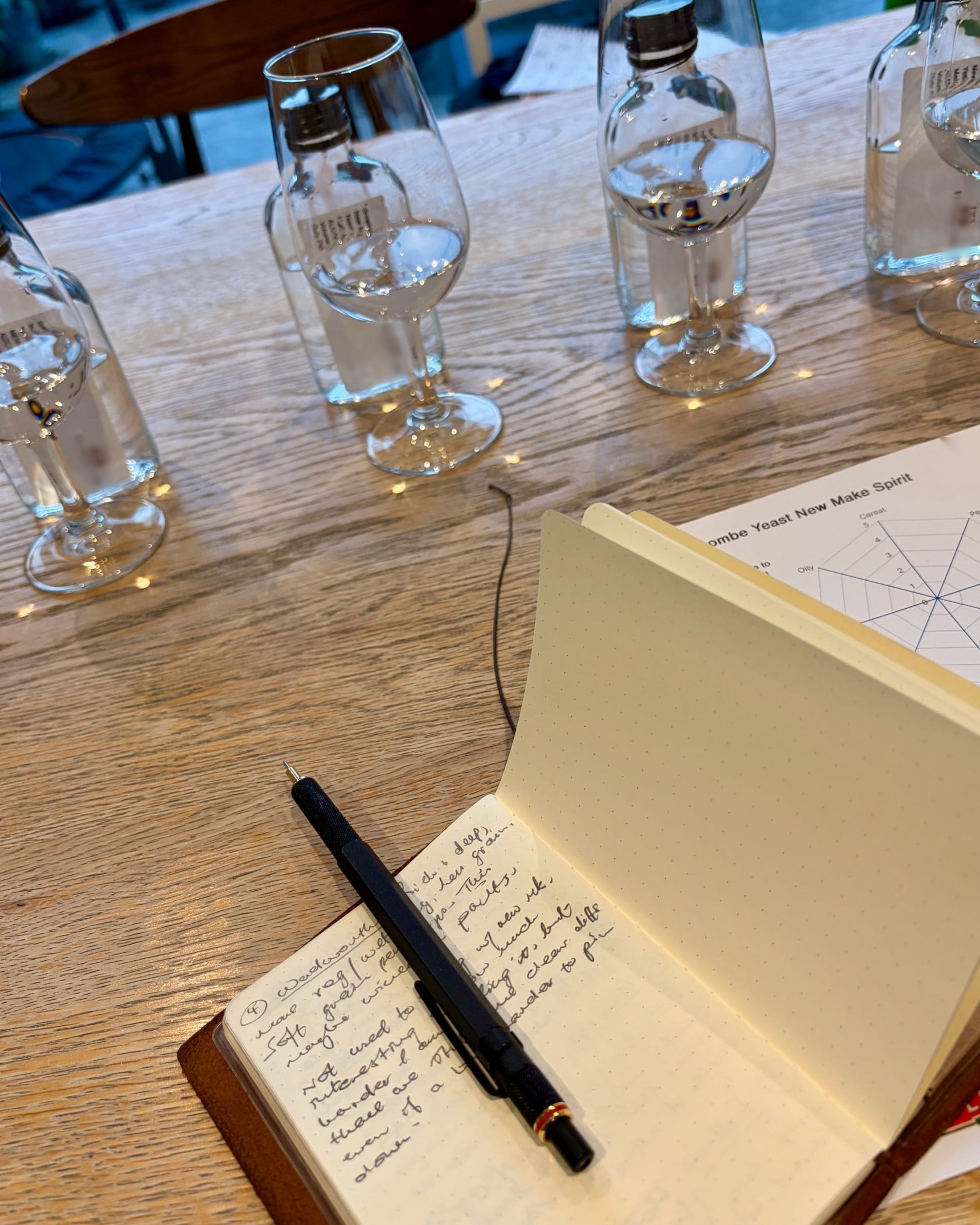
But I soon noticed my 3s and 4s drifting about, depending on my mood, the time of day, or what I’d tasted moments before. So I sat down and wrote myself some rules.
Then I started judging drinks competitions, and that confirmed it. If those years have taught me anything, it’s that you can’t rate a thing properly without some guidance on what the scores you’re awarding actually mean.
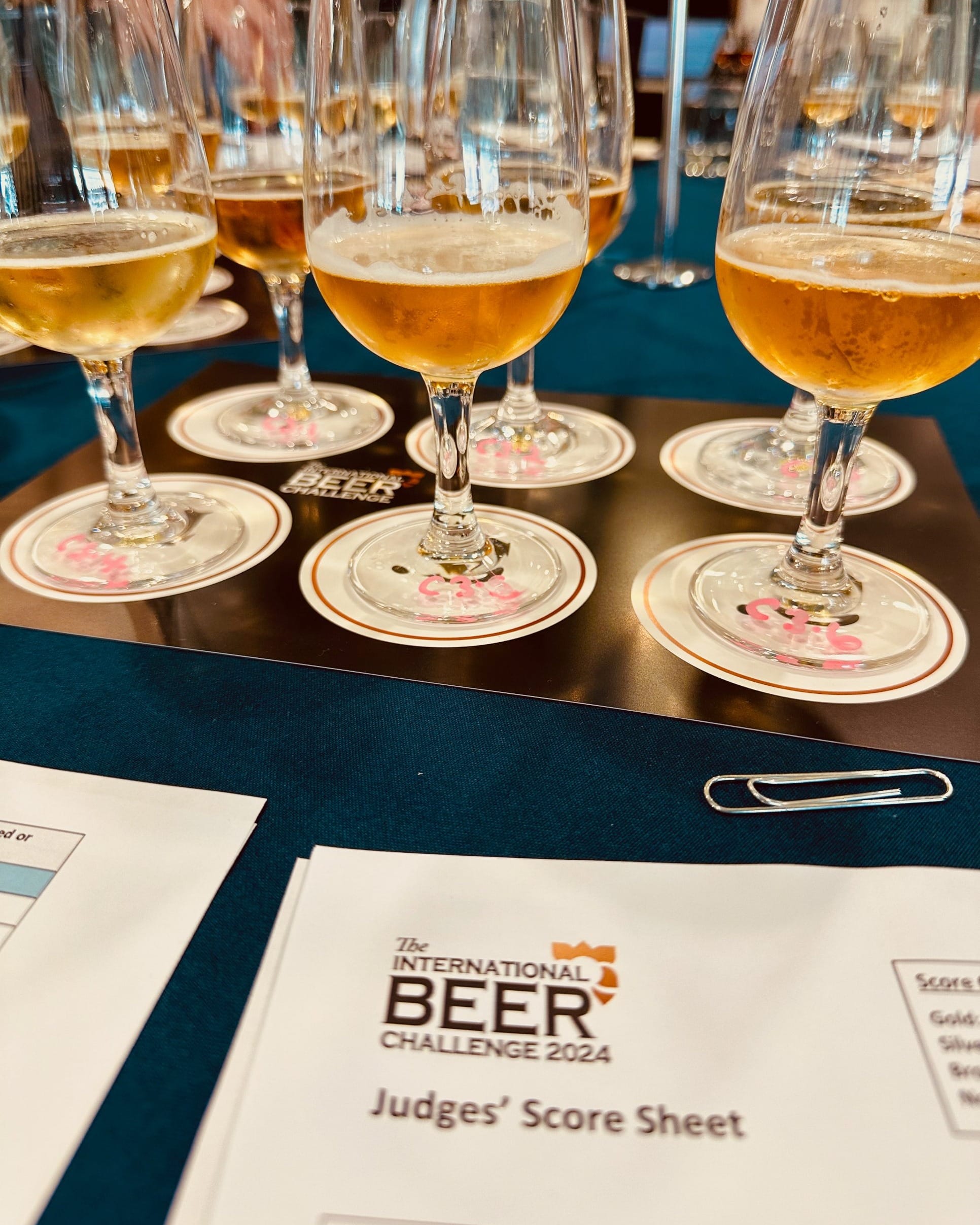
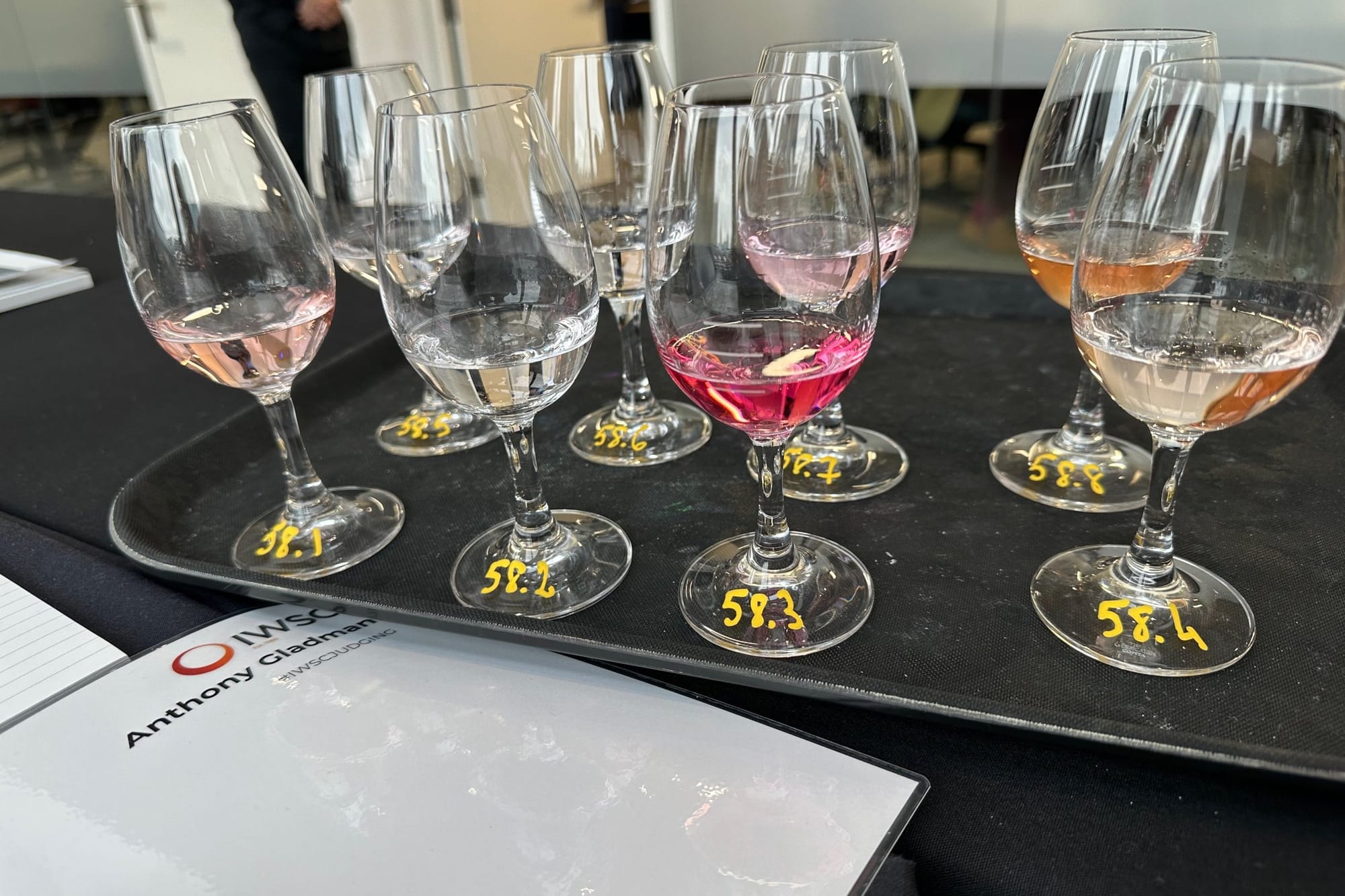
Every competition I’ve judged gives its judges that guidance. At the International Wine & Spirit Competition (IWSC), spirits are scored out of 100, and every band has a written description: 90 to 94 is silver, “an accomplished spirit with good balance, strong character and good complexity”. You decide the medal first, then whether it’s a high or low one, and only then the number.
We judges talk about it a lot. We refer back to the guidelines when we’re unsure. Or we wang on about what makes a good gin, how to balance the various elements, the distiller’s intention, what the market wants…
And no, medals aren’t a podium. Each spirit is judged on its own merits, not against its rivals, so if ten gins are gold standard, ten gins get gold.
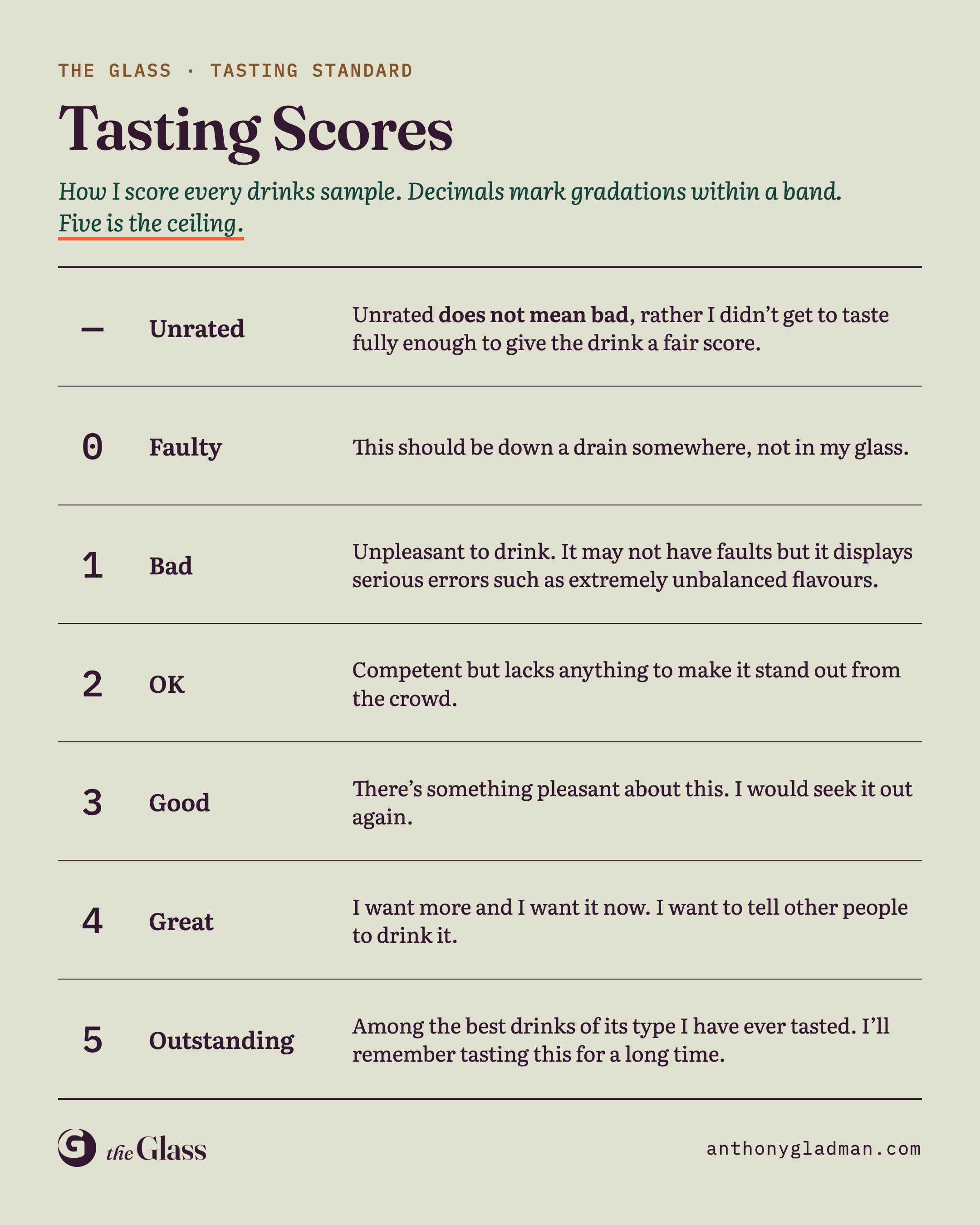
Eventually I went back to my own scoring scheme and tightened it up. This is what I use today. Each score band means something distinct. The decimals within each band are, I’ll admit, purely vibes — but then this is ultimately an exercise in subjectivity, albeit one with guardrails.
The great thing is that once I had that down, I could extend it into a wider system that applies to anything. Ladies and gentlemen, here it is, my gift to you to take away and use in your own life: the International Gladman Scale of Satisfaction — or IGSS for short.
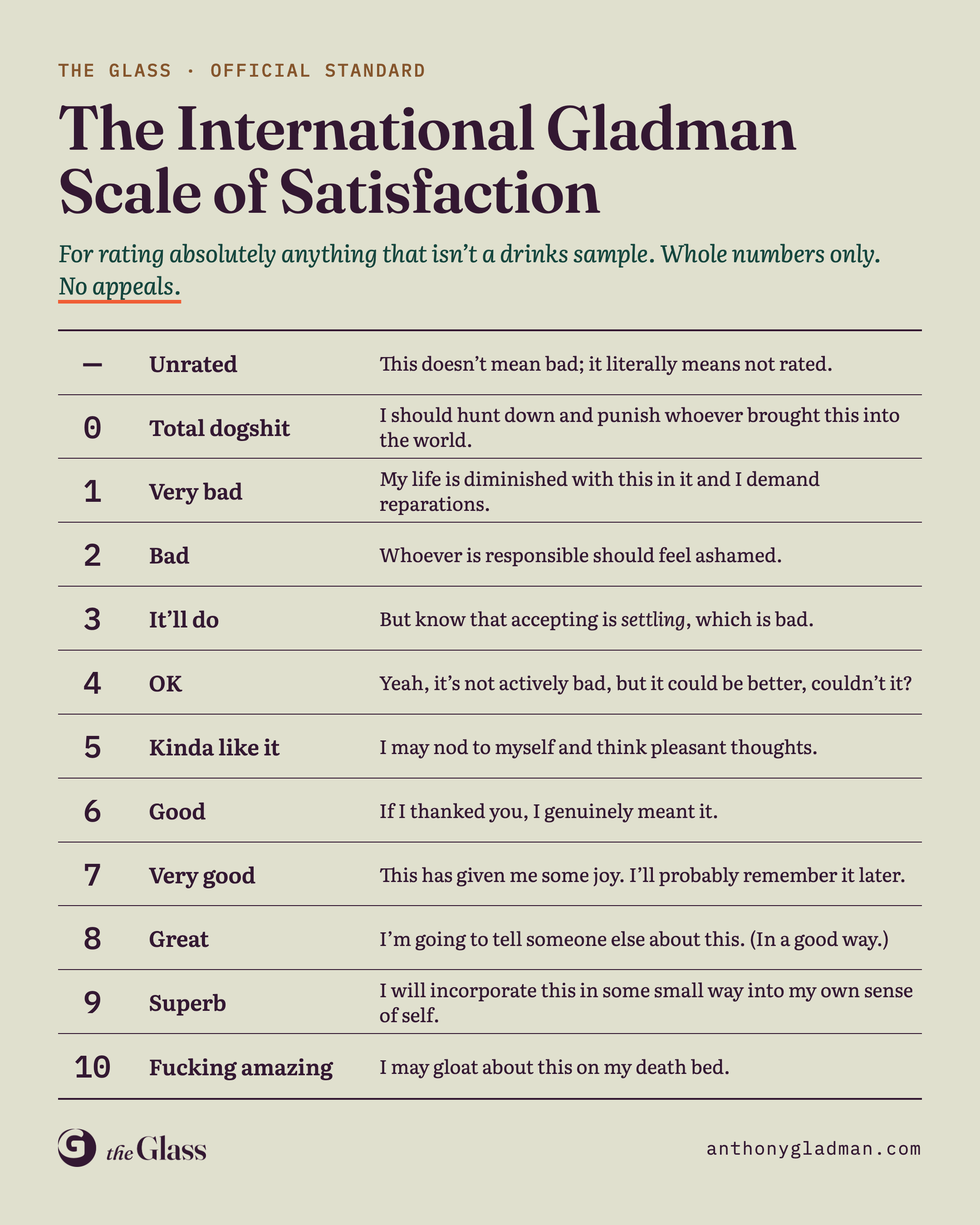
Unlike the tier lists of this world, which claim or imply objectivity, the IGSS doesn’t pretend to tell you how good something is. Instead it is based entirely on how the thing made you feel. Yet it’s precise about the difference between, say, merely nodding to yourself and feeling inspired to tell someone else about the experience you’ve just had. To me, that’s the most honest way to go about it.
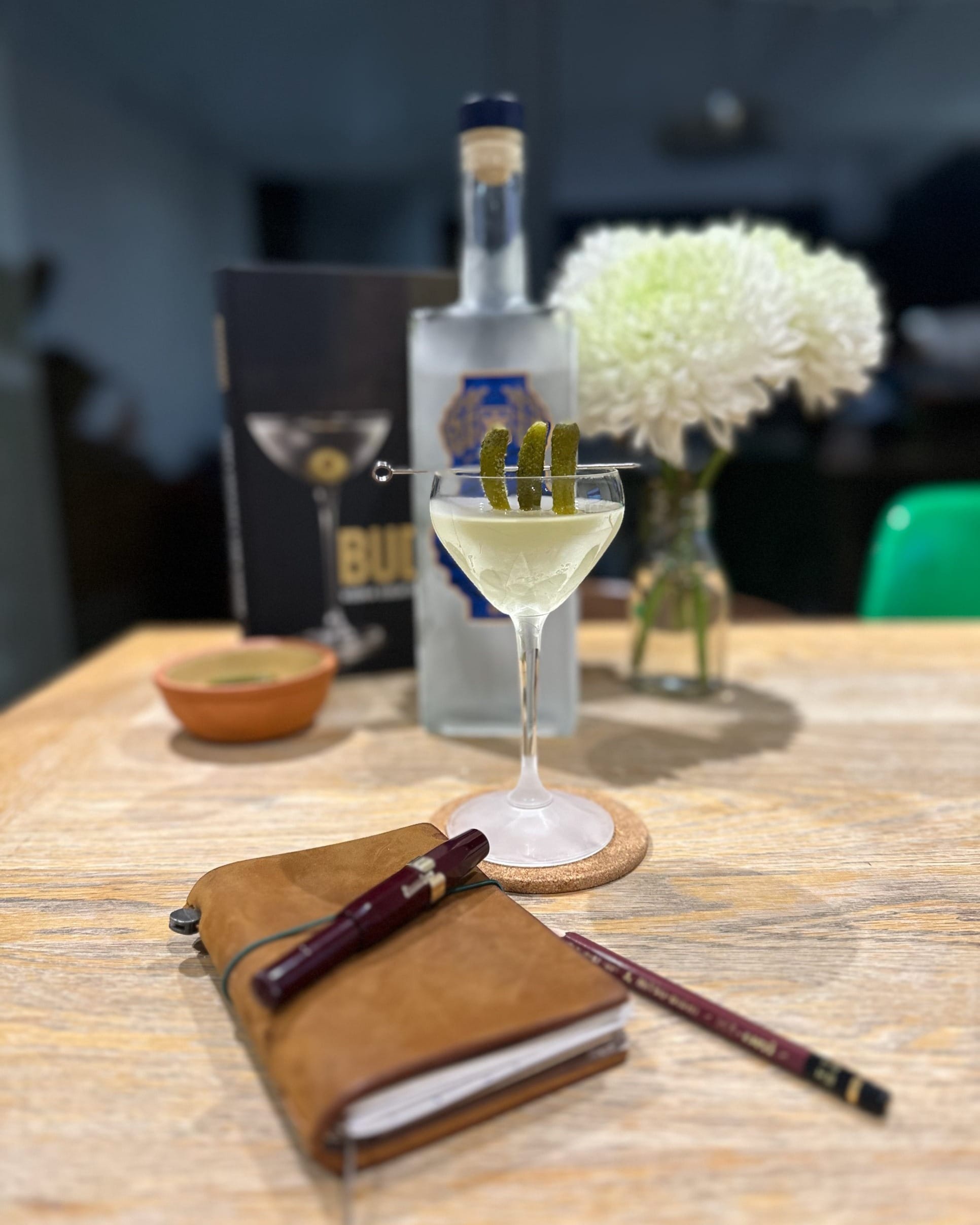
Go on, try it. Hit reply with one thing, its IGSS score and your own one-line description. The best go in the next issue.
OK, if you’re still wondering about the S-tier thing — or if you knew all along and your brain has been shouting the answer at me all this time — allow me to put your mind at rest. The S is special, stupendous, Super Saiyan, sexy. Or, if you prefer, it stems from shū, the highest grade a Japanese student may receive for their schoolwork. It means ‘exceptional’, apparently.
I think the tier system is fairly opaque; I give it an IGSS score of 3: “It’ll do. But know that accepting is settling, which is bad.”
IGSS is S-tier.